
Just keep walking, and you’ll find your direction
Camino de Santiago. The balance between where you are and where you want to be

“It’s the journey, not the destination.”
I mean sure. But what if you need to have a destination to truly enjoy the journey?
Some people travel to find themselves. You see it everywhere online — the solo trips, the open itineraries, the whole philosophy of showing up somewhere new with nothing planned and seeing what happens. The idea that freedom is the absence of a destination.
Hannah Neves does not travel like that.
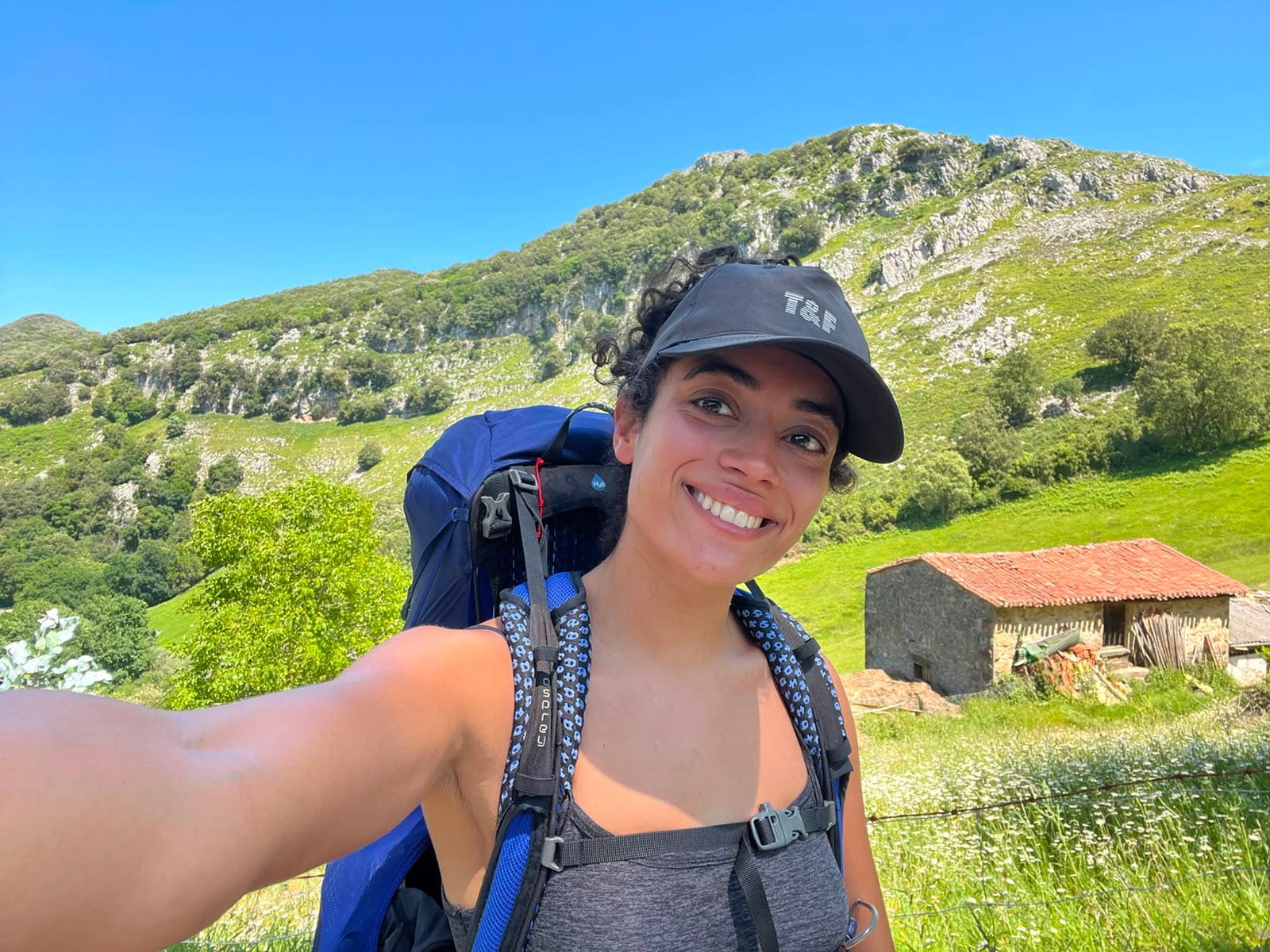
When she goes somewhere, she builds everything around a single anchor. Weaving, surfing, hiking — something that gives shape to the rest. Without it, she can't really be anywhere at all. Before the Camino, she went to Peru and spent part of the trip stuck in her head, quietly wondering what she was doing there. Not present in the moment, just adrift. The feeling only lifted once she reached the trek she had planned the trip around. Only then could she actually look up and be there.
“I don’t really like traveling without a purpose,” she told me. “Something that ties everything together.”
So she did the Camino de Santiago. Not to wander endlessly. And not to see where the road took her. Because walking is the one form of exercise she has always genuinely liked, because she loves Spain, because she speaks enough Spanish to get by, and because she wanted the kind of small towns where locals are actually curious about you, not used to you.
She had reasons. She had a route. She went.
The first five days, she didn’t meet anyone.
That surprised her. Everyone had told her so much about the community, about all the people you meet along the way. But for nearly a week, Hannah walked mostly alone.
Then she hit what she describes as her lowest point on the route — exhausted, doubting whether she could finish — and that’s when she met Dana.
Dana was worse off than she was. Severe heat exhaustion, could barely walk, couldn’t really eat. Hannah helped her get to the next stop, made sure she ate something, and stayed close. They kept in touch after that and became friends.
“It became more than I expected,” she told me.
The Camino Portugués covers most of Portugal, and it’s about 600 kilometers in total. It took Hannah almost two months, the loss of a toenail, countless bottles of wine, dozens of audiobooks, and a couple of bus rides (according to her). But she made it.
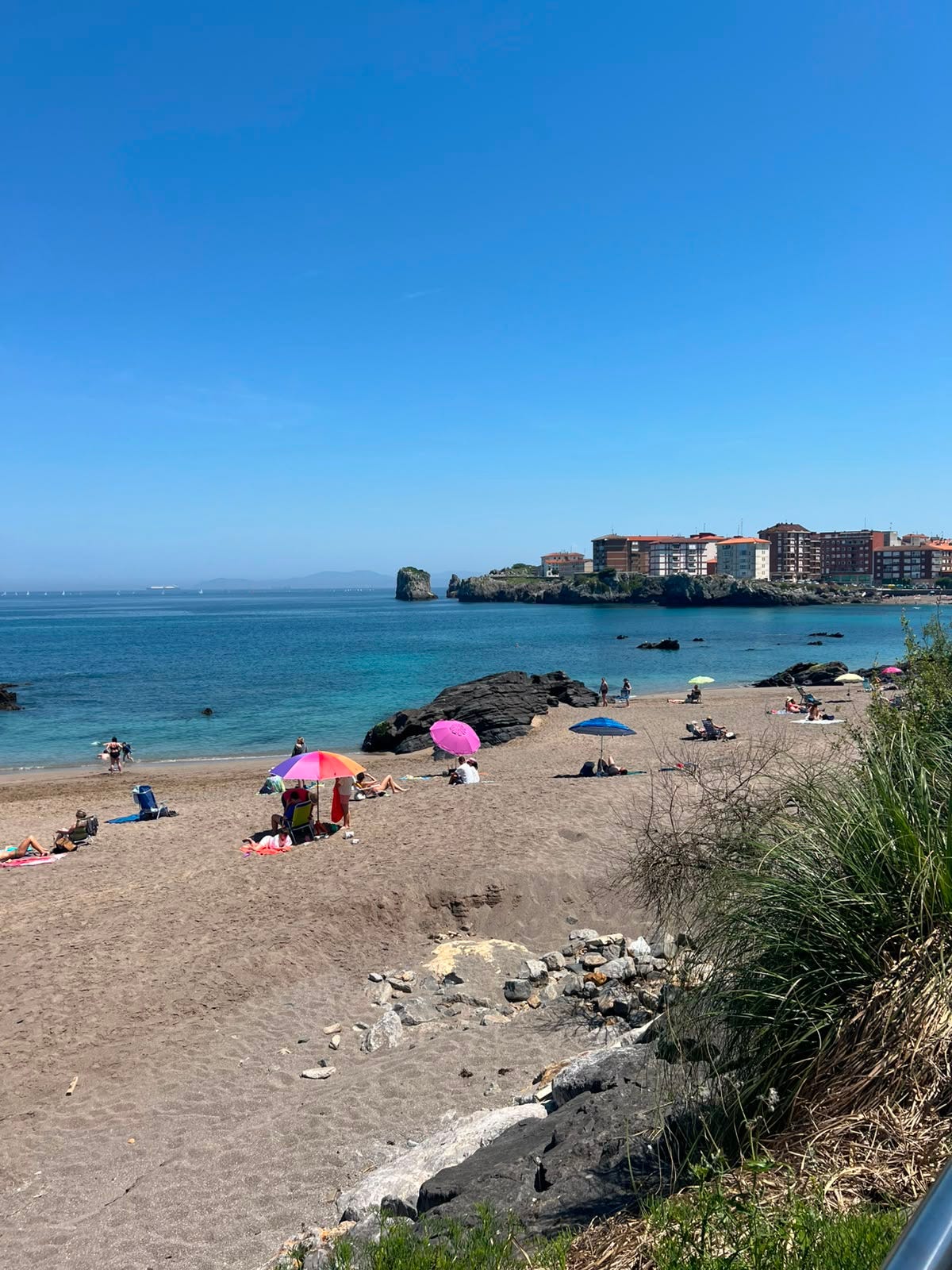
You can’t shortcut your way through 600 kilometers. You just have to keep showing up for it, one day at a time, until one day you’re done.
What carried her through wasn’t the thought of Santiago. It was smaller than that. Where would she sleep that night? Where would she stop for lunch? Knowing where she was going, even just for the next few hours, was what gave her permission to slow down and actually be where she was. To put one foot in front of the other without rushing.
The destination didn’t pull her out of the journey. It gave her enough direction to finally settle into it.
And over time, she said, you learn your limits. You learn what makes sense for you.
She’s doing another walk now, this time along the Spanish coast. Same logic as before: a reason to move, a route with a shape, somewhere specific to go.
The previous walk had left her feeling better about herself, she said. Clearer. A stronger sense of who she was and what she was doing.
“And I’m looking for that in my life right now,” she said.
So she’s going back to the thing that gave it to her.

I keep thinking about the fact that Hannah found Dana not by letting go, but by showing up with a reason. They were both doing the Camino. That’s what put them on the same road at the same time. The purpose didn’t get in the way of the connection — it made the connection possible. But sometimes, the destination is what makes the journey in the first place.
The destination is what freed her to actually be on the journey, to notice it, and to let things in.
And then she had to be patient enough to walk the whole thing.
A lot of people say, “focus on the journey, not the destination.” But sometimes you need the destination first, even if it’s small. So that you can finally look up and see where you are.
And then you just have to keep going, kilometer by kilometer, until you get there, no matter what happens.
And the rest showed up anyway.
I’ve been thinking about this a lot lately. The relationship between purpose and what unexpectedly arrives. If that resonates, you might want to read my piece on chasing the Northern Lights, and what happens when you keep going after the first stop disappoints. It’s here.
What is meant for you will find you

I think I have spent a lot of my life assuming that the most beautiful things were for other people.